Why Scholarship Survival Swim Lessons Matter
Every Child Deserves the Skills to Survive in Water
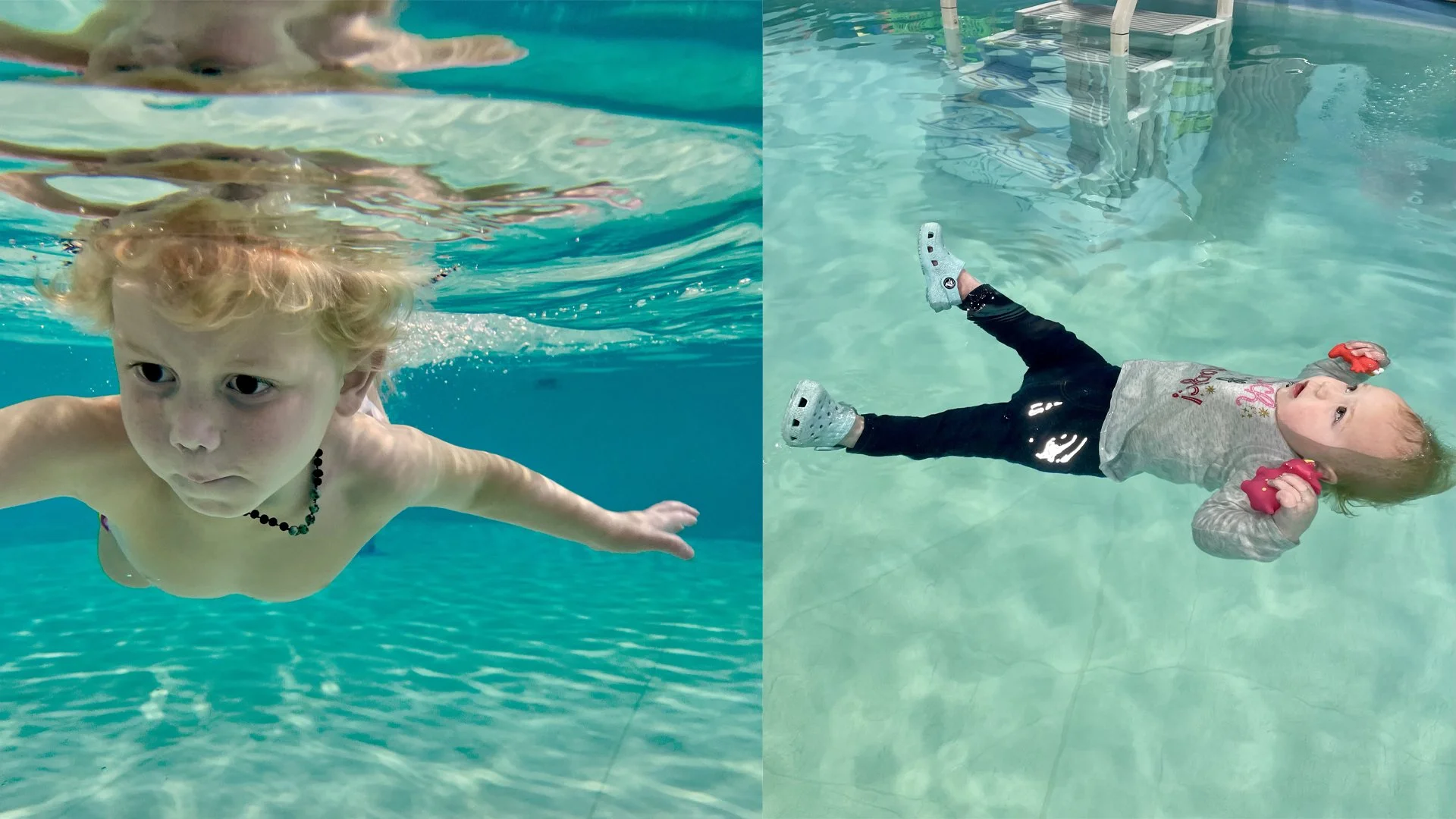
Drowning is the leading cause of death in children ages 1-4—yet it is 100% preventable with proper survival swim training. These life-saving lessons teach infants and young children how to float, breathe, and self-rescue long enough for help to arrive.
But for thousands of families, the cost of survival swim instruction is simply out of reach.
Scholarship-supported lessons close that gap—giving every child, regardless of income, the chance to survive an aquatic emergency.
The Reality: Not All Families Can Afford Lifesaving Lessons
Survival swim lessons require certified instructors, specialized training, and individualized sessions that ensure safety and success.
But that expertise comes at a price:
Many families—especially single parents, first-time parents, and those living in underserved areas—cannot afford survival swim programs.
Low-income neighborhoods often have the highest drowning rates.
Traditional “swim lessons” are not survival lessons and may not teach what children need in a true emergency.
When a family can’t afford lessons, a child is left unprotected.
A scholarship removes the financial barrier—immediately and directly.
Why Survival Swim Scholarships Matter for Children With Special Needs
For families of children with special needs, the risk of drowning is significantly higher—and access to appropriate swim instruction is often far more limited. Survival swim lessons provide specialized, adaptive training that can make an immediate and lifelong difference in a child’s safety and confidence around water.
1. Children With Special Needs Face Increased Drowning Risks
Certain conditions—such as autism spectrum disorder, seizure disorders, sensory processing differences, and mobility challenges—can greatly increase a child’s vulnerability around water. Survival swim lessons are one of the few interventions proven to reduce this heightened risk.
2. Specialized Instruction Is Essential, Not Optional
Many traditional swim programs aren’t equipped to serve children with special needs. Survival swim instructors receive training to personalize strategies, pacing, communication, and sensory accommodations. Scholarships help make these specialized lessons accessible to the families who need them most.
3. Financial Barriers Are Often Greater for These Families
Families of children with special needs already shoulder significant caregiving demands, therapy costs, and medical expenses. Scholarships remove the financial barrier that prevents many parents from enrolling their child in survival swim lessons—lessons that could one day save their life.
4. Adaptive Survival Skills Build Independence and Confidence
Survival swim lessons are tailored to meet each child exactly where they are. Adaptive techniques help children learn to float, find air, and self-rescue in ways that fit their abilities. These skills not only increase safety but also build confidence and a sense of independence.