

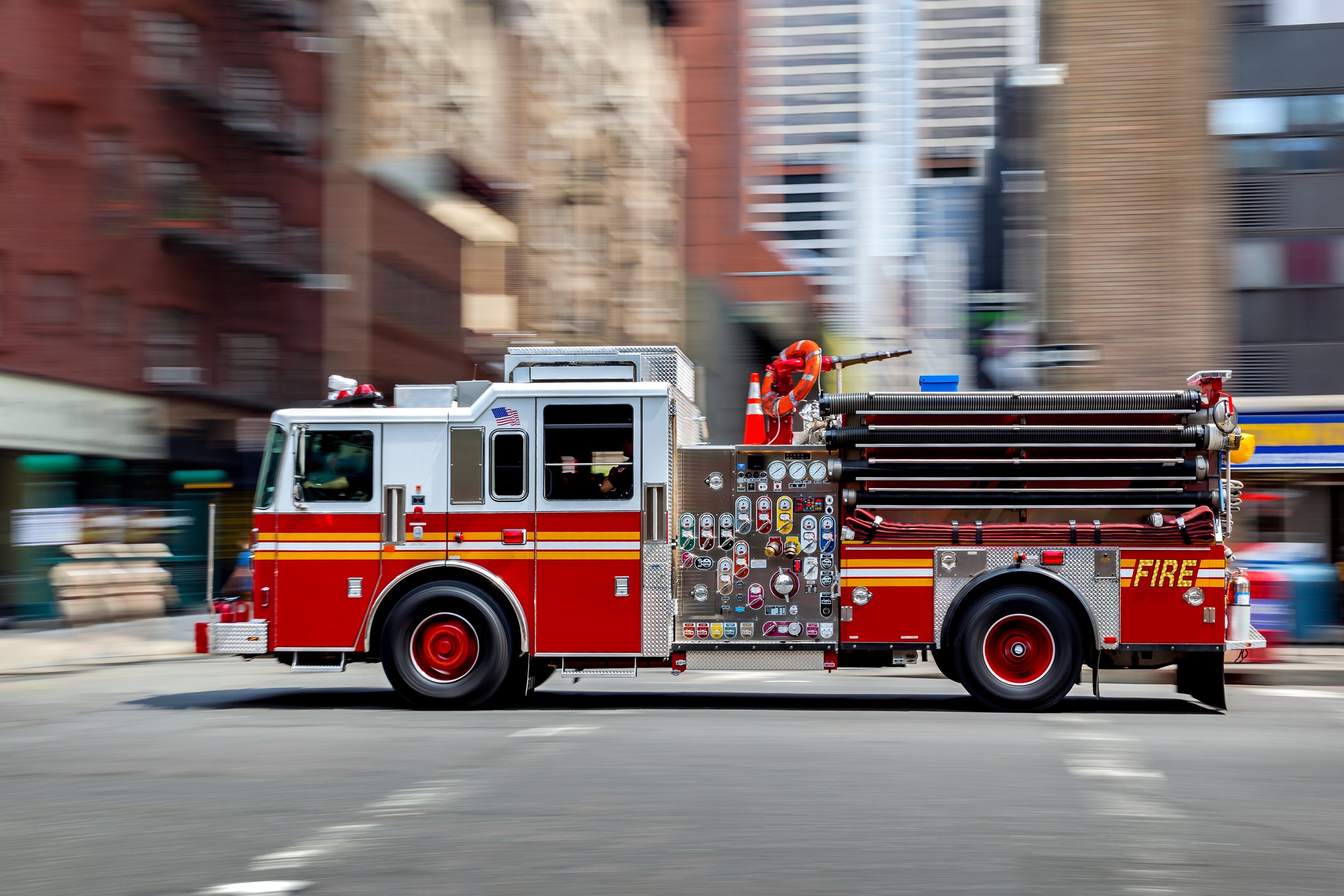
First Responder Drowning Prevention Training
Empowering Firefighters to Save Little Lives Before They Reach the Water
Aquatic Safety Advocates’ First Responder Training equips firefighters with the specialized knowledge and practical skills needed to identify, prevent, and respond to drowning hazards in their communities. Grounded in nationally recognized safety standards and real-world emergency experience, this training bridges the gap between traditional fire service education and the unique complexities of aquatic environments.
What the Training Covers
Current Drowning Statistics & Trends
Understand the true scope and patterns of drowning incidents to better anticipate risks.Real First Responder Testimonials
Insightful, firsthand accounts demonstrate the training’s direct impact on community safety.Layers of Protection—And Why They Fail
Identify systemic gaps in barrier, supervision, and equipment-based protections that often lead to preventable tragedies.Virginia Graeme Baker Pool & Spa Safety Act
Learn how federal safety requirements apply in real-world settings and influence hazard recognition.Recognizing and Assessing Aquatic Hazards
From backyard pools & spas to natural bodies of water, responders learn what dangers to look for and how to address them proactively.Effective Community Intervention & Code Enforcement Interaction
Build confidence navigating safety conversations with residents, facility operators, and code officials.
Key Benefits for Firefighters
1. Strengthened Community Prevention
The training positions fire crews as proactive community safety leaders, enabling them to intervene before a drowning occurs—not just respond afterward.
3. Measurable Knowledge Gains
Through pre- and post-assessments, departments have documented dramatic increases in understanding—often over 200% improvement in hazard recognition and prevention strategies.
4. Consistent, Actionable Procedures
Responders leave with clear, practical steps for addressing aquatic hazards during calls, inspections, and community interactions.
5. Greater Public Trust
Communities benefit when firefighters can confidently advise families, facility operators, and neighbors about keeping pools, spas, and swim areas safe.
6. A Lifesaving Impact
Every hazard identified, conversation initiated, and unsafe condition corrected represents a potential drowning prevented. Fire departments report that the training has directly led to meaningful, real-world safety interventions.
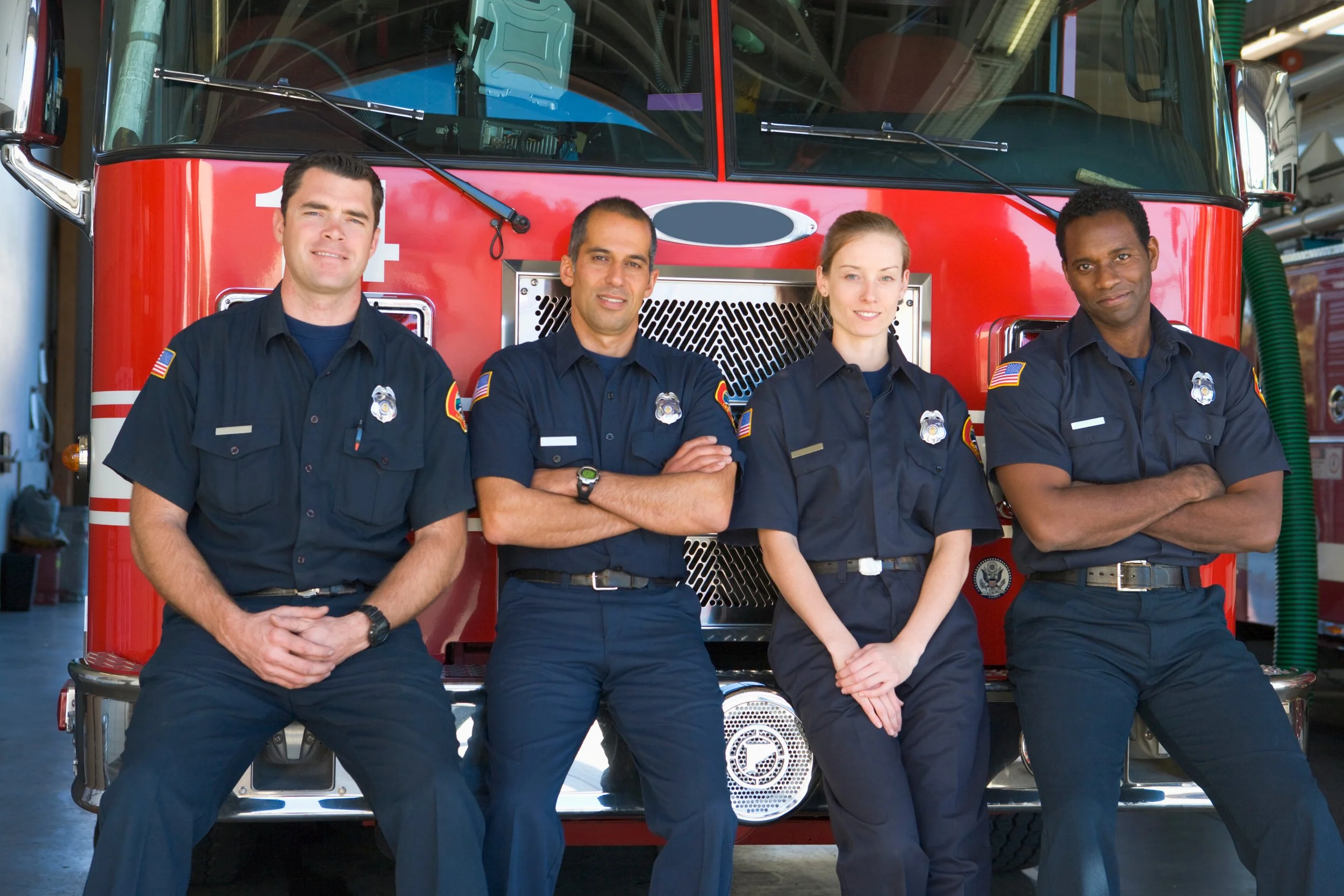
Why Departments Choose Aquatic Safety Advocates
Proven training delivered to thousands of first responders nationwide
Backed by grant-funded implementation and measurable success metrics
Practical, engaging content tailored for the first responder
Designed for immediate application in the field